The future of mobility
is
small, clean, and already here.
TAV is building the technology platform that powers the next generation of human-scale electric vehicles — starting with the billions of bicycles already in use across the developing world.
The world's mobility crisis won't be solved by bigger vehicles. It will be solved by better ones — and there are already a billion of them sitting in garages.
Across India, Indonesia, sub-Saharan Africa and Southeast Asia, hundreds of millions of people depend on bicycles for daily life. Not as a hobby — as their primary vehicle. As incomes rise, many are transitioning to petrol motorcycles, adding millions of new combustion engines to already congested, already polluted cities. This transition doesn't have to happen the way it's been happening.
Electric bikes could change this entirely. But they cost thousands of dollars and are built for wealthy Western markets. And the conversion kits that do exist were designed for weekend cyclists, not daily commuters in Chennai, Jakarta or Nairobi — they fail in heat, on rough roads, and under real everyday load. TAV was founded to build the system that actually works for the world that actually exists.
Our Mission
To electrify the world's existing vehicles —
cleanly, affordably, and at scale.
Not by manufacturing new vehicles that most of the world can't afford. By building the drive technology that transforms what people already own into capable, zero-emission machines — across bicycles, wheelchairs, scooters, and beyond.
A world powered by human-scale electric mobility
The 20th century was defined by the car. The 21st century will be defined by what replaces it for the journeys where a car was always the wrong tool — the last mile, the daily commute, the market run, the school pickup.
TAV's vision is to be the engineering platform underneath that transition. Not a brand of vehicles, but the powertrain technology that any manufacturer, assembler or converter can deploy — in any country, across any vehicle category, at a price that makes clean mobility genuinely accessible.
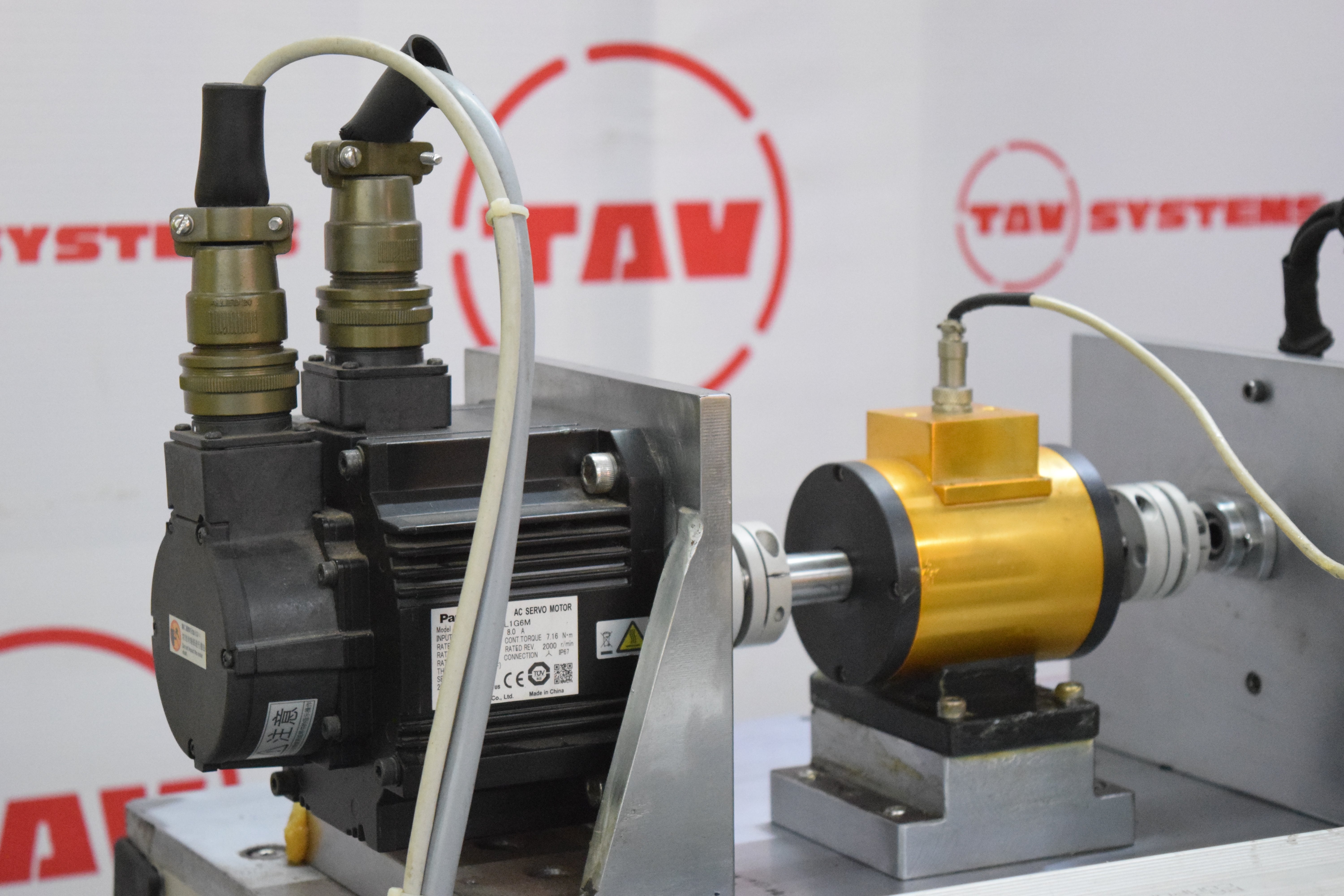
We didn't start TAV to build another bike kit. We started it because we kept asking a question nobody had a good answer to: why is clean mobility still a luxury when the vehicles that need it most already exist in the billions? The bicycle was where we proved the technology. But it was never the destination — it was the proof of concept for something much bigger.
The bicycle was where we proved it.
It won't be where we stop.
TAV's mid-drive engineering — the motor, controller, firmware and mechanical integration — was built from the ground up to be reusable. We started with bicycles because they represent the largest and most urgent opportunity. But the technology is designed to power every form of clean, human-scale mobility.
TAV is solving the capability to gap
wherever clean, affordable, human-scale mobility is needed.
The same engineering rigour, the same modular architecture, the same commitment to reliability in real-world conditions — applied to every vehicle category where a petrol or manual drive can be replaced with something better.
Solving mobility for the nations that need it most
The biggest clean mobility opportunity in the world is not in Sydney or San Francisco — it's in the cities and towns of the developing world, where hundreds of millions of people need affordable, clean transport right now.
Over 150 million daily cyclists. Rapidly urbanising cities facing severe air quality crises. A growing middle class transitioning from bicycles to petrol motorcycles — a transition TAV can intercept with clean, affordable electric conversion. TAV is already active here, with manufacturing in Chennai and riders across the country.
The world's fourth most populous nation, with Jakarta among the most congested and polluted cities on Earth. Indonesia's government has set aggressive e-mobility targets, and its 270 million people represent one of the most significant clean transport opportunities in Southeast Asia.
Sub-Saharan Africa has one of the world's highest bicycle-to-car ratios. Across Kenya, Rwanda, Ethiopia and beyond, bicycles and cargo trikes are critical for rural access, last-mile logistics and daily commuting. TAV's durable, low-cost platform is built for the conditions these riders face every day.
Every converted bicycle is manufacturing emissions that never happened.
Manufacturing a new e-bike generates approximately 134 kg of CO₂e, mostly from aluminium frame production, the lithium-ion battery, and the motor (based on European Cycling Federation lifecycle data). A TAV conversion kit fitted to a bicycle that already exists only 65 kg of CO₂e when compared to the new ebike produced. No new frame. No new wheels. No new brakes. The bicycle is already there.
Source: European Cycling Federation
No new frame · No new wheels
before the bike ever moves
That's the equivalent of taking roughly 15 passenger cars off the road for a year — just from avoiding the emissions in producing a new bike.
If each converted bike replaces petrol vehicle trips at 3,000 km/year, the fleet avoids ~225 kg CO₂ per bike annually — 225 tonnes per year and growing.
*Estimated based on ECF per-km emissions data. Actual savings vary by ride distance and vehicle replaced.
Five years of engineering. One clear mission.
TAV begins as a research project at Flinders University with backing from the Government of South Australia. Founders Nithesh, Velmurugan and Manimaran start testing mid-drive systems on real bicycles — asking one question: why does no affordable conversion kit actually work properly on real roads?
The team rebuilds the system multiple times — validating drivetrain behaviour, heat and sealing performance, controller reliability and mechanical integration. The key insight: reliability requires architecture, not accessories.
Manufacturing moves to Chennai via the Savaliya Group partnership. TAV systems reach 1,000+ riders across India and Australia.
A research partnership with UNSW Sydney is established to advance next-generation motor and drivetrain technology.
TAV's engineering vision extends beyond conversion kit with the same commitment to real-world reliability and the same mission: clean, affordable mobility for every rider in every nation.
We didn't build this alone
TAV's platform has been built with the support of institutions that believe in the mission — before the products existed, and as they continue to grow.
Where TAV was born in 2020. Our founding research, prototyping and early engineering was conducted through Flinders' innovation programmes in South Australia.
Founding PartnerEarly-stage government backing as part of South Australia's commitment to clean technology, local innovation and sustainable mobility.
Incubation partnerFinancial backer and scaling partner enabling TAV to manufacture at volume with tight quality control from our Chennai facility, while building the distribution infrastructure for global reach.
Scaling PartnerResearch partnership advancing next-generation motor systems, power electronics and drivetrain architecture for real-world e-mobility applications.
Research PartnerBuilding tomorrow's drive technology with UNSW
TAV's research partnership with the University of New South Wales connects our engineering team with one of Australia's leading engineering faculties. The collaboration focuses on advancing the motor architecture, power electronics and firmware systems at the core of our electric drive technology.
This means every TAV product — and every future vehicle category — benefits from academic rigour alongside commercial engineering. Our customers and partners ride on technology validated in both labs and on roads.
The vehicle already exists.
Let's electrify it.
From Adelaide to Chennai. The future of mobility isn't a new vehicle — it's the billions of existing ones, finally given the drive system they deserve.